Reducing the carbon footprint in cattle farming: Sustainable solutions for farmers
Cattle farming is often associated with greenhouse gas emissions, and farmers are encouraged to reduce their carbon footprint. Before taking action, it’s essential to assess the impact using a carbon balance. This helps identify the most suitable measures for each farm.
Promoting Local Forage Crops
Integrating local forage crops is also advantageous as it reduces reliance on imported feed and the emissions associated with transport. Farmers can also opt for cattle breeds with high feed efficiency, encouraging more sustainable production.
Improving Soil Management and Sustainable Practices
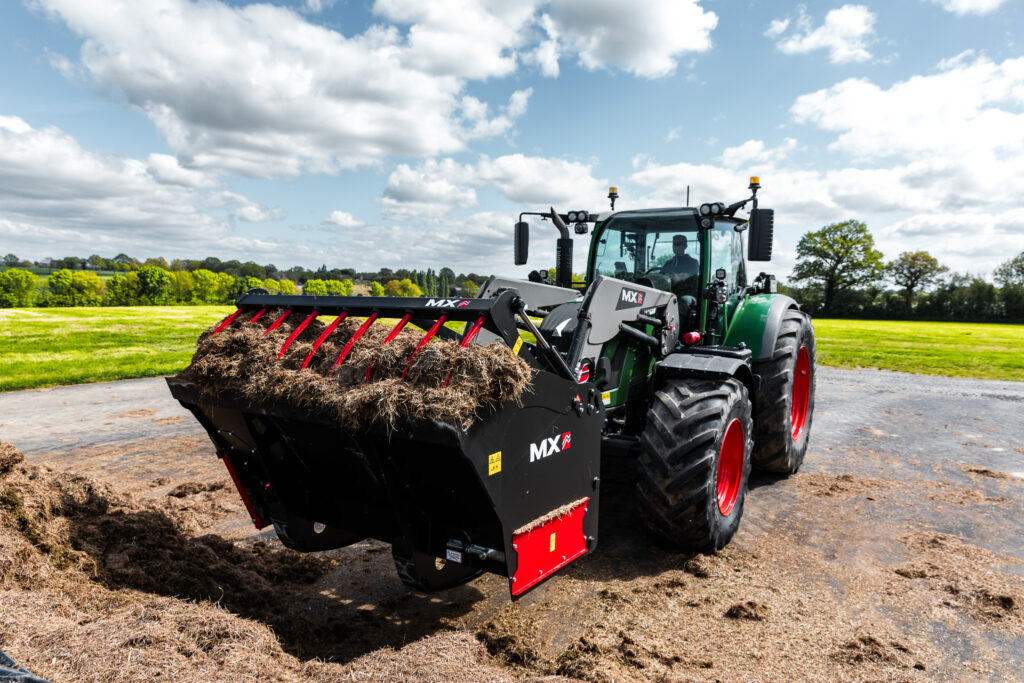
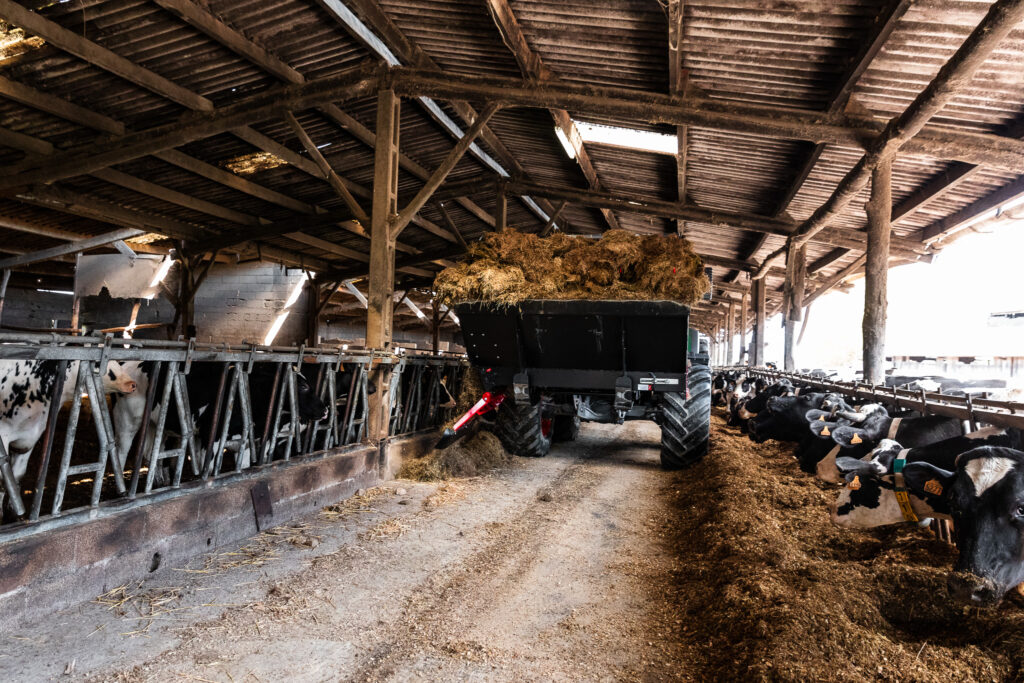
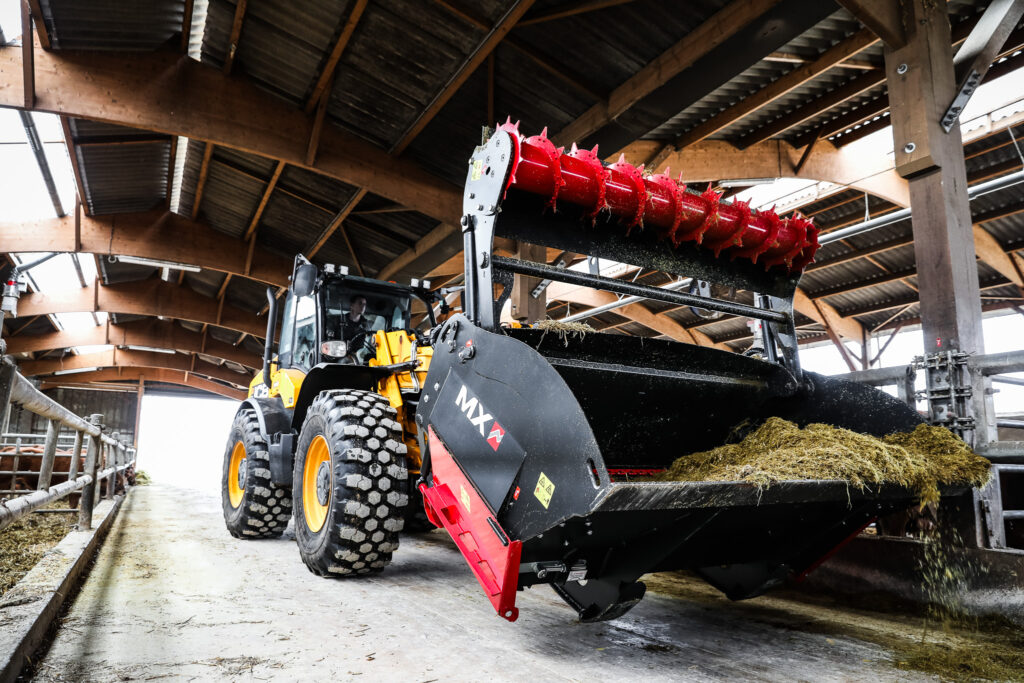
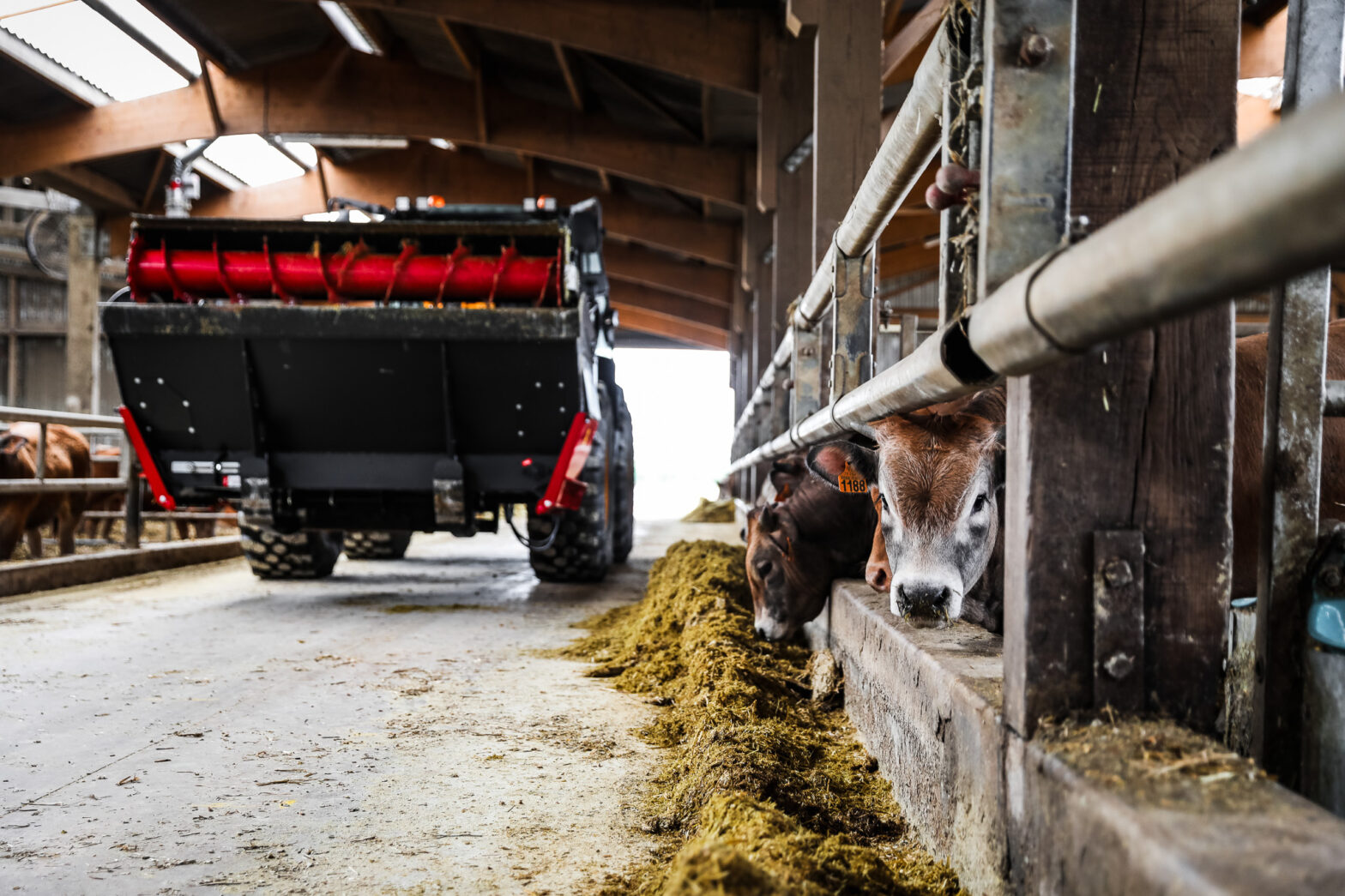
Soil management through temporary grasslands and hedgerows helps capture carbon and enhances biodiversity. Modern and innovative equipment in livestock buildings also helps reduce emissions. For instance, solutions from MX, such as the belt silage bucket and the auger silage bucket, enable precise and efficient forage distribution. These tools not only improve resource management but also reduce feed losses and emissions caused by inefficient distribution.
Methanization and Pasture Rotation
Finally, practices such as pasture rotation and manure methanization turn waste into renewable energy, while the resulting digestate serves as a natural fertilizer.
Optimizing Herd Management
An initial solution involves optimizing herd management, such as reducing the replacement rate and adjusting the age at first calving. These practices lower the resources required while simultaneously limiting greenhouse gas emissions.
Towards More Sustainable Cattle Farming
By adopting these solutions, farmers contribute to the ecological transition of agriculture, improve the sustainability of their farms, and reduce their environmental impact. With efficient distribution tools, they also optimize feed management, contributing to greener and more responsible production.